By Jason Morris
November 12, 2026
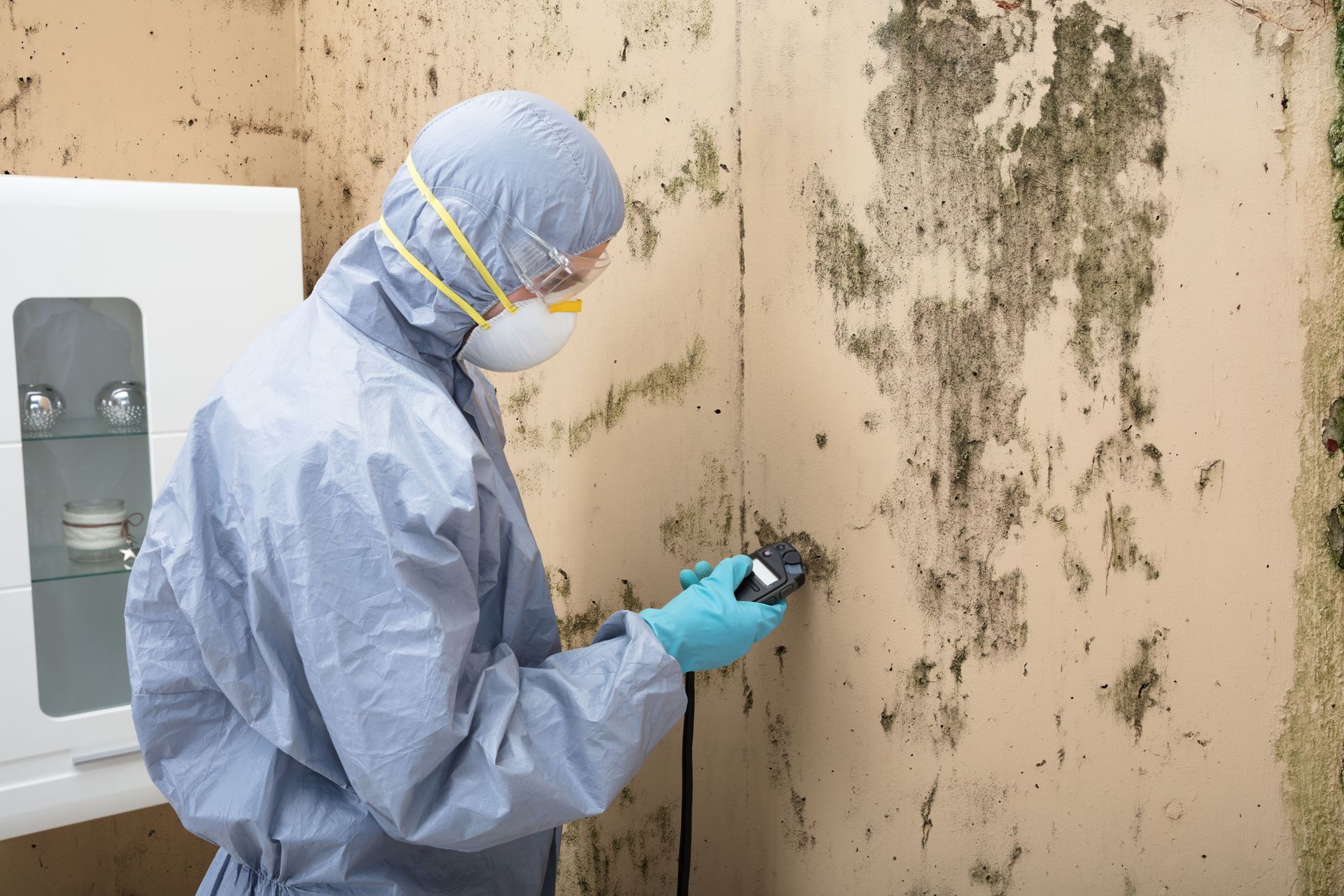
Finding mold on furniture, clothing, or personal keepsakes raises difficult questions. Some possessions can be restored, while others become unsafe or impractical to keep. We understand why homeowners want clear answers before parting with meaningful belongings. A mold contractor evaluates contamination, moisture exposure, and material condition to determine which restoration options deserve consideration.
Water sources, exposure time, and the construction of each item affect recovery. Professional assessment also considers whether contamination can be removed without damaging the object or spreading particles elsewhere. The following factors explain how restoration decisions are made and why replacement is sometimes necessary.
Evaluating the Water Source
Identifying Clean Water Exposure
A broken supply pipe may introduce relatively clean water, creating different recovery possibilities than sewage or flooding. According to HomeGuide, clothing and furniture exposed to Category 1 or Category 2 water may sometimes be saved, while items touched by Category 3 water must be replaced. A prompt assessment also helps document the original conditions before further deterioration complicates the decision. The category alone does not guarantee restoration; the material and changing conditions still matter.
Identifying Contaminated Water Exposure
Category 3 water can contain sewage, microorganisms, and other hazardous substances. Porous belongings may absorb contaminants beneath their surfaces. A mold contractor considers these risks before discussing cleaning because an object can appear intact while remaining unsuitable for safe reuse. When hazardous exposure is involved, protecting occupants takes priority over preserving property.
Identifying Hidden Moisture Exposure
Moisture travels beneath flooring, behind furniture, and through cardboard storage boxes. Items positioned against damp walls may absorb water without showing obvious marks. Professionals consider nearby materials and likely moisture pathways, especially when belongings remained in affected rooms after a leak.
Identifying Extended Dampness
Time matters because prolonged dampness encourages microbial growth and deterioration. Fabric can retain odors, wood may swell, and adhesives can weaken. Even after a leak stops, trapped moisture may continue affecting belongings. Establishing the approximate exposure period helps determine whether further examination is warranted and whether restoration remains realistic.
Evaluating the Material Type
Assessing Hard Household Surfaces
Glass, metal, and certain rigid plastics generally absorb less water than fabric or unfinished wood. Some can be cleaned professionally when the contamination source permits. A mold contractor also examines seams, openings, and attached components that might retain debris. An apparently washable surface does not automatically make the entire object suitable for recovery.
Assessing Upholstered Furniture
Sofas and padded chairs contain cushions, backing, and fabric layers that can hold moisture. Contamination may reach places that ordinary surface cleaning cannot address. Professionals consider the depth of exposure, whether affected components are accessible, and whether treatment would preserve the furniture's function. Severe contamination can make replacement the appropriate choice.
Assessing Wooden Furniture
Solid wood, veneer, and particleboard respond differently to water. Swelling, separated joints, and damaged finishes may complicate restoration even when contamination is limited. An evaluation considers structural strength alongside visible changes. A cherished wooden piece may merit specialized assessment, but sentimental importance cannot reverse extensive deterioration or eliminate health concerns.
Assessing Clothing and Textiles
Washable garments exposed to relatively clean water may have recovery potential. Delicate fabrics, leather, and heavily contaminated textiles present different challenges. Care labels, dye stability, and professional cleaning capabilities influence the decision. Homeowners should avoid assuming that a successful wash proves an item is free from contamination.
Evaluating the Contamination
Examining Visible Mold Growth
Visible patches indicate a problem, but their size does not reveal the full extent of damage. Mold can develop behind upholstery or within layered materials. A mold contractor assesses the surrounding conditions rather than judging safety by color or surface coverage alone.
Examining Concealed Layers
Furniture linings, cushion interiors, and decorative backing can conceal contamination. These areas may be difficult to reach without damaging the object. Professionals evaluate whether meaningful cleaning is possible and whether the item's construction permits adequate treatment. If affected layers cannot be accessed, recovery may not be practical.
Examining Persistent Odors
A musty smell can suggest lingering moisture or microbial activity, although odor alone cannot establish its cause. Fragrance products only mask smells and do not correct contamination. Belongings that continue smelling unpleasant after drying warrant further evaluation. Identifying the underlying condition matters more than achieving a temporarily fresh scent.
Examining Structural Damage
Warping, crumbling fibers, loosened joints, and peeling finishes may indicate that water has compromised an item. Cleaning cannot necessarily restore its original strength. Professionals weigh usefulness, stability, and safety alongside contamination concerns. An object that cannot function properly after treatment may be better replaced.
Evaluating Restoration Options
Considering Specialized Cleaning
Different materials require different professional approaches. Some belongings may benefit from controlled surface cleaning or evaluation by a textile specialist. A mold contractor considers the contamination category and material before recommending any treatment. There is no universal method that safely restores every damaged possession, regardless of its appearance.
Considering Moisture Removal
Drying helps address retained water, but it does not automatically remove established mold. Professional equipment and monitoring may be appropriate for certain materials and conditions. The restoration decision must account for both moisture and contamination. An item that feels dry may still require further assessment before reuse.
Considering Containment Needs
Moving affected belongings through clean rooms can spread debris and mold particles. Professional plans may include containment and careful handling to limit unnecessary disturbance. Appropriate handling is particularly important when large amounts of stored property are involved.
Considering Disposal Limits
Some porous items cannot be adequately cleaned after severe contamination. Furniture exposed to hazardous water or materials weakened beyond practical repair may require disposal. Clear explanations help homeowners understand why replacement is recommended. A realistic assessment avoids promising results that cleaning methods cannot reliably deliver.
Evaluating Future Protection
Addressing Moisture Sources
Restoring belongings provides little lasting benefit if leaks or condensation remain unresolved. Plumbing problems, roof damage, and poor drainage can create conditions for renewed growth. A mold contractor considers the need to correct these sources before possessions return to affected rooms. Moisture control is essential to preventing repeated damage.
Addressing Indoor Humidity
Persistently damp indoor air can affect fabrics, paper, and furniture, particularly in enclosed storage areas. Ventilation and moisture conditions deserve attention when contamination recurs. Professional recommendations should reflect the actual building conditions rather than assume every room has the same problem. Managing humidity supports longer-lasting results.
Addressing Storage Conditions
Basements, closets, and rooms with limited airflow can conceal moisture concerns. Restored belongings should not return to locations with unresolved water intrusion. Owners may benefit from reviewing storage arrangements and monitoring previously affected spaces. These precautions help preserve items that were suitable for recovery.
Addressing Follow-Up Concerns
Documentation of affected items, recommended disposal, and completed work can support future decisions. Homeowners should understand any follow-up observations suggested after remediation. If dampness or odors return, further investigation may be necessary.
Whether belongings can be saved depends on the water source, material, contamination, and physical condition. Professional evaluation can identify reasonable restoration opportunities without minimizing the risks associated with hazardous exposure. The goal is to preserve what can be treated appropriately while recognizing when replacement is the safer decision.
If mold has affected furniture, clothing, or keepsakes, contact Mold Abatement Contractors to discuss an assessment. Our mold contractor can review the conditions, explain appropriate remediation considerations, and help you understand which possessions may be suitable for professional restoration. We are ready to help you make informed decisions about your property.